

The One Piece of Fire Safety Kit Most Businesses Overlook Until Winter
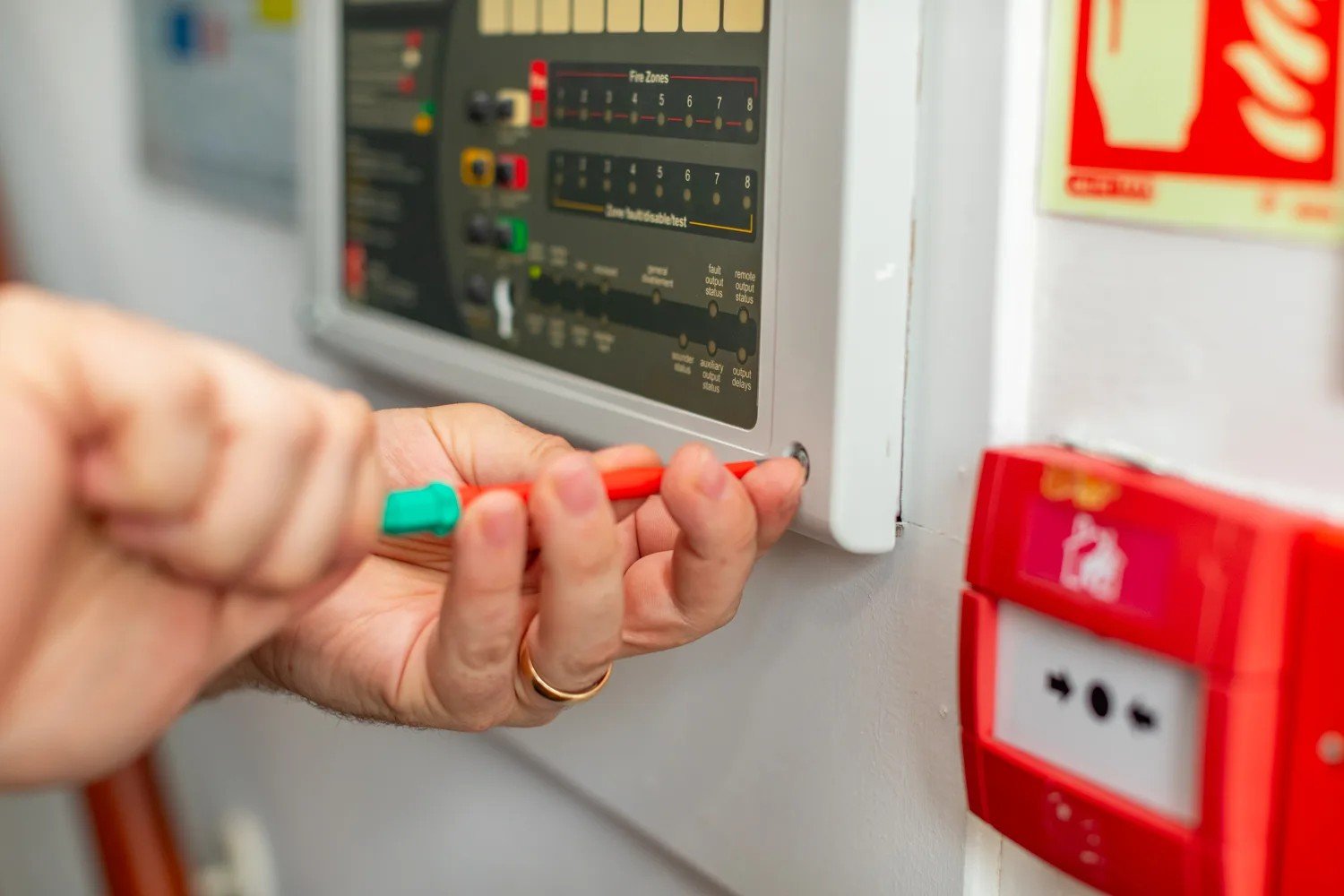
Ask a business owner about their fire safety and they will usually mention extinguishers. Those get noticed because they are red and in plain sight. The one that slips through is the fire alarm, quietly sitting on the wall doing nothing visible until the day it has to. Winter is exactly when that gap bites, because winter is when the fire risk in your building goes up. Here is why the alarm gets forgotten, and why November is the month to sort it.
Why winter raises the risk
The colder months load your building up. Heaters come out, more electrical equipment runs for longer, and people spend more time inside with the doors shut. Longer opening hours in the dark mean more of the day depends on things working when the light and the power might not. All of that adds up to a higher chance of a fire starting, and a greater need for the alarm to do its job.
The kit that gets forgotten
A fire alarm is easy to ignore because a healthy one makes no noise and asks nothing of you. But detectors gather dust, batteries age, and building changes over the year can leave parts of a room uncovered. None of that is visible from the floor. The only way to know the system will work is to keep it serviced and to run the routine checks in between, and that is exactly the bit that drifts once the busy autumn arrives.
As the person responsible for the premises, you must keep your fire detection and warning system in effective working order, and keep a record of the checks. A serviced alarm with a logbook is how you show it.
Sort it before the deep of winter
Your November alarm check
- Book a service if the last one was more than six months ago.
- Do the weekly call-point test and note it in the logbook.
- Walk the building and check no detector has been covered or removed.
- Take a look at any heaters and electrical loads you only use in winter.
No noise usually means all is well, but it can also mean a fault you have not spotted. Only a service and regular tests tell you which, so do not assume.
Your questions answered
How often should a fire alarm be serviced?
The law says the system must be kept in effective working order, but it does not set an interval. Recognised good practice is a service by a competent engineer at least every six months, with a weekly call-point test and a monthly panel check by staff in between.
Why does winter matter for fire alarms?
Winter brings heaters, higher electrical use and longer hours indoors, all of which raise the chance of a fire. That is when you most need the alarm to be reliable.
Can I check the alarm myself?
Staff can do the weekly and monthly checks once shown how. The six-monthly service needs a competent engineer.
Sources
- Home Office, Fire statistics data tables, table FIRE0301: primary fires in other buildings by motive and building type, England. Year ending March 2026. Data tables updated 30 September 2026. gov.uk/government/statistical-data-sets/fire-statistics-data-tables
Is your fire alarm ready for winter?
Beacon Fire Protection services and certifies fire alarm systems for businesses across Cumbria and the Lake District. Get in touch to book a service before the coldest months.