

Fire Alarm Maintenance in Cumbria: July Hotel Safety Checks
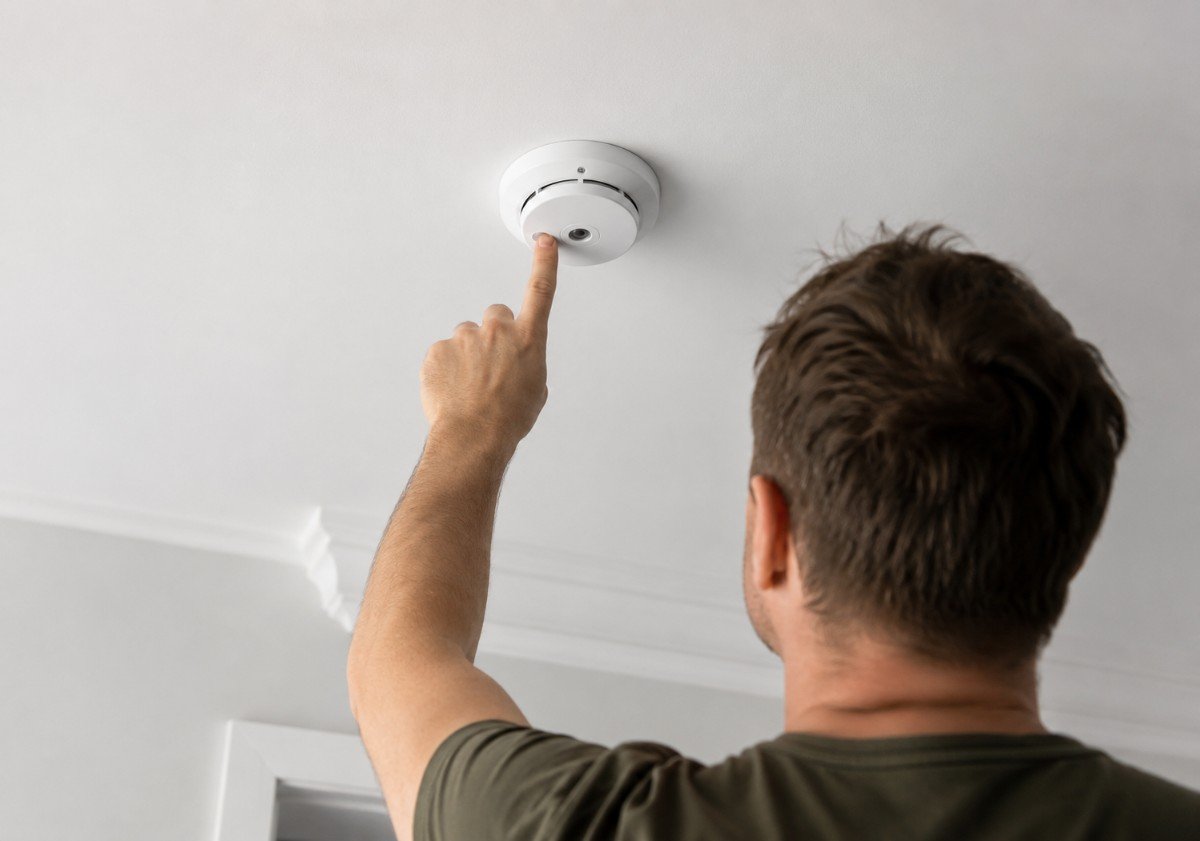
When every room is booked and your hotel is running at full capacity, the fire alarm has to work first time. July is the busiest month of the year across Cumbria’s hospitality trade, which means more guests are relying on a detection and warning system that may not have been looked at since the quieter months. Good fire alarm maintenance in Cumbria comes down to a few simple habits, and this guide covers what to check before your next wave of guests arrives.
Why July changes the fire safety picture
Occupancy in Lake District hotels peaks between late June and the end of August, with July consistently the busiest single month. A full house changes things in practical ways. Escape routes carry more foot traffic, fire doors get propped open to move luggage, and the building takes longer to clear if the alarm sounds. Hotels and guest houses also carry a higher risk than most premises because guests are asleep and unfamiliar with the layout, so the alarm is often the only thing that wakes them in time.
What hotels commonly get wrong at peak season
The most frequent issue is simply timing. A fire alarm system should be serviced by a competent engineer at least every six months. A hotel last serviced in January is fine if it books the next visit before the end of July, but if that slips into August the window has closed during the busiest weeks of the year.
Weekly testing is the other thing that drops off when reception is stretched. The user test takes only a few minutes, but in a busy hotel with back-to-back check-ins it slides down the list. Without a written log showing the test was done, there is no evidence of it if the fire service or an insurer asks.
Detector heads in kitchens and laundry areas cause a third headache. Heavier cooking and more frequent laundry cycles produce steam and airborne particles that can set off false alarms. Some hotels respond by isolating zones or bagging detector heads, which removes protection from exactly the areas where the fire risk is highest.
Covering or isolating smoke detectors to stop false alarms removes fire protection from that area entirely. As the person responsible for the premises, you must keep detection systems working. If false alarms keep happening in a kitchen or laundry, ask your engineer about heat detectors or multi-sensor units for those spaces instead.
Your pre-July fire alarm checklist
Checks to run before the peak weeks
- Confirm your last service date: book the next engineer visit before the six-month gap closes. If your last service was in January, schedule the next for June or early July.
- Catch up on the logbook: make sure weekly user tests are recorded with the date, the call point tested, the result and who did it. Close any gaps now.
- Inspect every detector head: walk the building and look for dust, paint overspray from redecoration, and any heads that have been covered or removed.
- Review false alarm causes: if kitchen or laundry detectors trigger regularly, ask your engineer about heat-only or multi-sensor detectors rather than isolating the zone.
- Brief housekeeping: ask staff to glance at guest room detectors during every turnover and report any that have been covered, tampered with, or knocked loose.
- Test the monitoring link: confirm the panel is still talking to any remote monitoring centre, so a fault during a busy changeover does not leave the system offline overnight.
What the law expects of you
As the person responsible for a hotel or guest house, you are required to keep fire detection and warning systems in good working order at all times. The law does not spell out a testing routine itself, but the recognised standard for hotels recommends a weekly user test of a manual call point, a monthly check of the panel, and a service by a competent engineer at least every six months. Keeping a written record of your fire safety arrangements is part of the duty too, which is exactly why the logbook matters. A serious breach can carry an unlimited fine, so this is worth getting right.
Fire alarm maintenance in Cumbria: your questions answered
How often should hotel fire alarms be serviced?
At least every six months by a competent engineer. Between visits, staff should carry out a weekly user test of a manual call point, using a different one each week, plus a monthly panel check, and record it all in a logbook.
Who is responsible for fire safety in a hotel?
Usually the owner, operator, or whoever has day-to-day control of the premises, often the general manager. That person carries the legal duty for keeping fire detection and warning systems working.
Can I isolate fire alarm zones to stop false alarms?
Not as a long-term fix, because it removes protection from that area. If false alarms keep happening in a kitchen or laundry, speak to your engineer about fitting heat detectors or multi-sensor units rather than disabling anything.
Sources
- Home Office, Fire and rescue incident statistics, England, year ending March 2024 (gov.uk).
Is your hotel’s fire alarm service up to date?
Beacon Fire Protection services and certifies fire alarm systems for hotels and guest houses across Cumbria and the Lake District. Get in touch before the July rush and we will book you in.
Call 01768 863 551